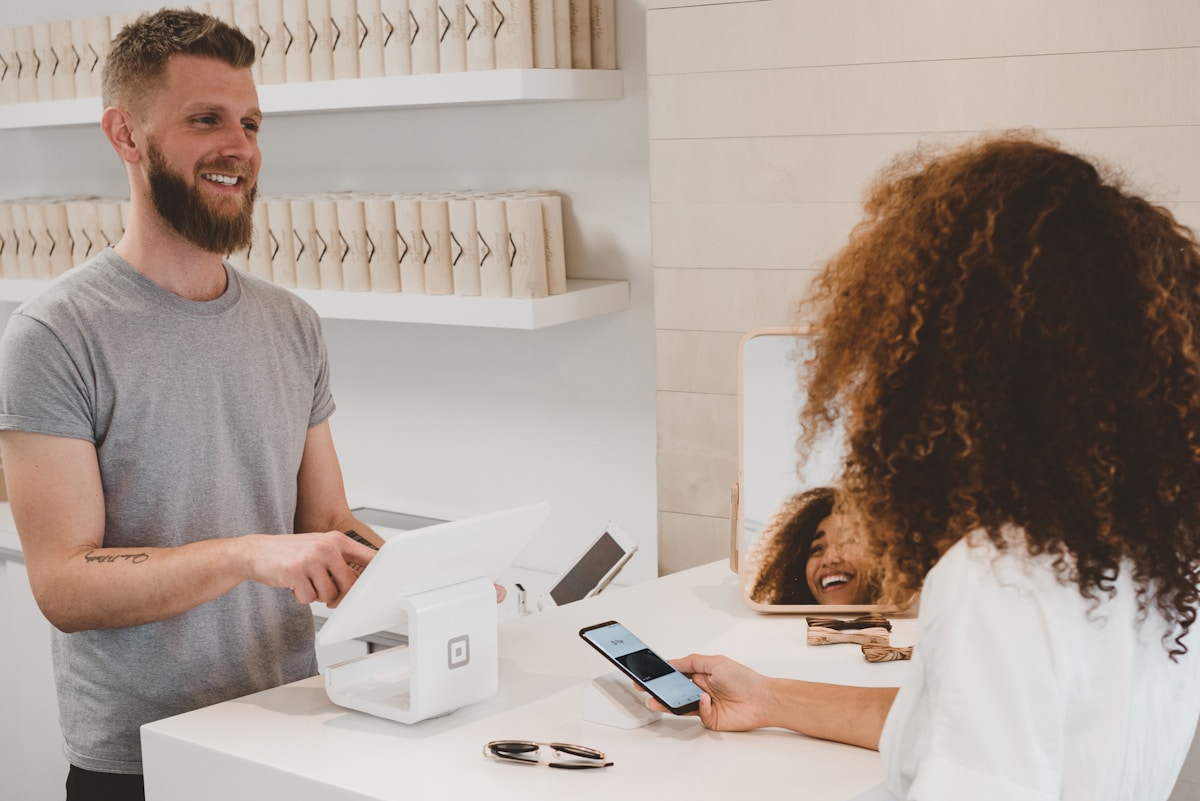
A punch card loyalty program is one of the simplest ways to bring customers back. The concept is straightforward: customers earn a stamp or punch for each visit or purchase, and after a set number of punches, they receive a reward. It's familiar, it's easy to explain, and it works — businesses with loyalty programs see 20-30% higher repeat visit rates than those without.
But here's what most business owners get wrong: they assume the punch card itself is the strategy. It's not. The punch card is a tool. The strategy is how you structure the rewards, what triggers a punch, and how you keep customers engaged after they've claimed their first reward. This guide covers all of it.
How a Punch Card Loyalty Program Works
The basic mechanic hasn't changed much since coffee shops started stamping cards in the 1990s. A customer makes a purchase, gets a stamp, and after 8-10 stamps, earns a free item. The psychology is simple: people hate leaving things incomplete. A card with 7 out of 10 stamps feels like wasted effort, so customers come back to finish it.
Modern digital punch card programs keep the same psychology but remove the friction. No paper card to lose. No stamp pad at the counter. Customers check in via QR code, phone number, or a tap on their phone. The business tracks everything automatically — visit frequency, average spend, time between visits — and the customer gets a clean experience that feels more professional than a crumpled card in their wallet.
Try It Free: Digital Punch Card Tool
Set up your own digital punch card in under 5 minutes. No app download needed for your customers.
Choosing the Right Reward Structure
Not all punch card programs are created equal. The reward structure you choose determines whether customers engage or ignore it. Here are the most common approaches:
- Linear punch (buy X, get 1 free) — The classic. Simple, predictable, works well for cafes, salons, and quick-service restaurants. The downside: customers optimize for the free item and may reduce spend per visit.
- Tiered punches — Different rewards at different thresholds (5 punches = small reward, 10 punches = bigger reward). Keeps customers engaged longer because there's always a milestone within reach.
- Spend-based punches — Instead of "1 punch per visit," customers earn punches based on spend ($10 = 1 punch). Rewards higher-value customers without alienating casual visitors.
- Behavior-based punches — Punches for more than just purchases: social media shares, referrals, reviews. This is the most modern approach and generates the most customer engagement.
Digital vs Physical Punch Cards
Physical punch cards still work, especially for businesses with older demographics or low-tech operations. But digital punch cards have clear advantages:
- No lost cards — Digital cards live on the customer's phone. Physical cards get washed, thrown away, or forgotten at home.
- Customer data — Digital programs capture email addresses, visit frequency, and spending patterns. Physical cards capture nothing.
- Automated reminders — Digital programs can send push notifications or emails when a customer is close to a reward. Physical cards can't.
- Flexibility — Change your reward structure, add bonus punch days, or run limited-time promotions without reprinting cards.
The tradeoff is setup time. A physical card takes 10 minutes to design and print. A digital program takes 15-30 minutes to configure — but then it runs itself.
How to Set Up a Punch Card Loyalty Program (Step by Step)
Here's the process for setting up a digital punch card program, whether you're a cafe, restaurant, salon, or retail store:
Step 1: Define Your Goal
What behavior are you rewarding? Most businesses start with "1 punch per visit" or "1 punch per $10 spent." Pick one — you can add more later.
Step 2: Set Your Reward Threshold
The sweet spot for most businesses is 8-12 punches. Too few (5) and customers earn rewards too quickly, reducing your margin. Too many (15+) and customers lose motivation before reaching the goal.
Step 3: Choose Your Reward
The best rewards are high-perceived-value but low-cost to you. A free coffee (costs you $0.50, feels like $5 to the customer). A 20% discount on their next visit. A free add-on service. Avoid cash discounts — they feel transactional, not rewarding.
Step 4: Pick a Platform
You need a tool that handles check-ins, tracking, and reward redemption. Options range from free to paid — Loop.fans has a free plan for punch cards, with paid tiers when you want analytics and automation. See our best digital punch card apps comparison for detailed reviews.
Step 5: Launch and Promote
A loyalty program nobody knows about is a loyalty program that doesn't work. Train your staff to mention it at checkout. Add a QR code to receipts, table tents, and your website. Send an email to existing customers announcing the program.
Common Mistakes to Avoid
Most punch card programs fail for one of these reasons:
- Too many punches required — If customers need 15 visits to earn a reward, most will give up by visit 6. Keep it achievable.
- Reward isn't compelling — A 5% discount after 10 visits isn't motivating. Make the reward feel substantial.
- No promotion — Launching a program without telling customers is like opening a store without a sign.
- Staff don't mention it — If your team doesn't ask "Are you part of our loyalty program?" at checkout, adoption stays low.
- No follow-up — A customer who hasn't visited in 30 days needs a nudge. Digital programs can do this automatically.
What the Data Says About Punch Card Programs
Industry research consistently shows that loyalty programs drive measurable results:
- Customers who participate in a loyalty program visit 20-30% more often than non-members
- Repeat customers spend 67% more than new customers on average
- 72% of consumers say they're more likely to stay with a brand that offers a loyalty program
- Businesses with digital loyalty programs see 2.5x higher enrollment rates than paper-based programs
The data is clear: a well-structured punch card program isn't just a nice-to-have — it's a revenue driver. The key is "well-structured." A poorly designed program (too many punches, weak rewards, no promotion) can actually hurt by making your business look amateur.
How Loop.fans Compares to Traditional Punch Card Tools
Most punch card apps do exactly one thing: track stamps. Loop.fans takes a different approach. Instead of only rewarding purchases, you can reward any customer behavior — social media shares, Google reviews, referrals, event attendance, and more. Customers earn credits for each action, and credits can be redeemed for rewards from your business or your partner businesses.
This matters because a traditional punch card creates a single touchpoint (the purchase). A participation-based program creates multiple touchpoints per customer per month. More touchpoints means more reasons to visit, more brand impressions, and more word-of-mouth. See how to structure your punch card reward system for maximum impact.
Ready to Try It?
Create your free digital punch card and start bringing customers back. No credit card required.
Frequently Asked Questions
How many punches should a loyalty card have?
The sweet spot is 8-12 punches for most businesses. Cafes and quick-service restaurants often use 8 or 10. Salons and spas sometimes use 5 or 6 because visits are less frequent. Test different thresholds and track completion rates to find your optimal number.
Are digital punch cards better than paper?
For most businesses, yes. Digital punch cards eliminate lost cards, capture customer data, enable automated reminders, and allow flexible reward structures. Paper cards still work for businesses with older demographics or very simple programs, but digital is the better long-term investment.
How do I get customers to sign up for my punch card program?
Train your staff to mention it at every checkout. Offer a sign-up bonus (2 free punches to start). Add QR codes to receipts, menus, and table tents. Send an email announcement to your existing customer list. The biggest driver of adoption is simply asking — most customers will say yes if the program is easy to join.
Can I run a punch card program for free?
Yes. Loop.fans has a free plan for punch cards, so you can run one at no cost and upgrade when you need more customization, analytics, or automated messaging. For a small business just starting out, the free plan is plenty. See our free digital punch card guide for options.
What rewards work best for a punch card program?
High perceived value, low actual cost. A free coffee (costs you $0.50, worth $5 to the customer). A free add-on service. A 20% discount on their next visit. Avoid generic percentage discounts — make the reward feel specific and valuable.
Participation Economy: The Next Evolution of Loyalty
Punch card programs reward purchases. The most successful businesses are now rewarding participation. Instead of just stamping a card for every coffee bought, they're giving credits for Google reviews, Instagram posts, friend referrals, and event attendance. The result is a participation network where every customer interaction drives value — not just transactions.
This shift matters because a traditional punch card creates one reason to visit (complete the card). A participation-based program creates multiple reasons: earn credits for social sharing, redeem partner rewards, or unlock exclusive experiences. Data shows that businesses using participation-based programs see 3-4x more customer touchpoints than purchase-only loyalty models. The participation flywheel — where each customer action brings in new customers — is what turns a loyalty program from a cost center into a growth engine.
Rewarded reviews and posts do double duty: they also decide whether AI assistants recommend you.