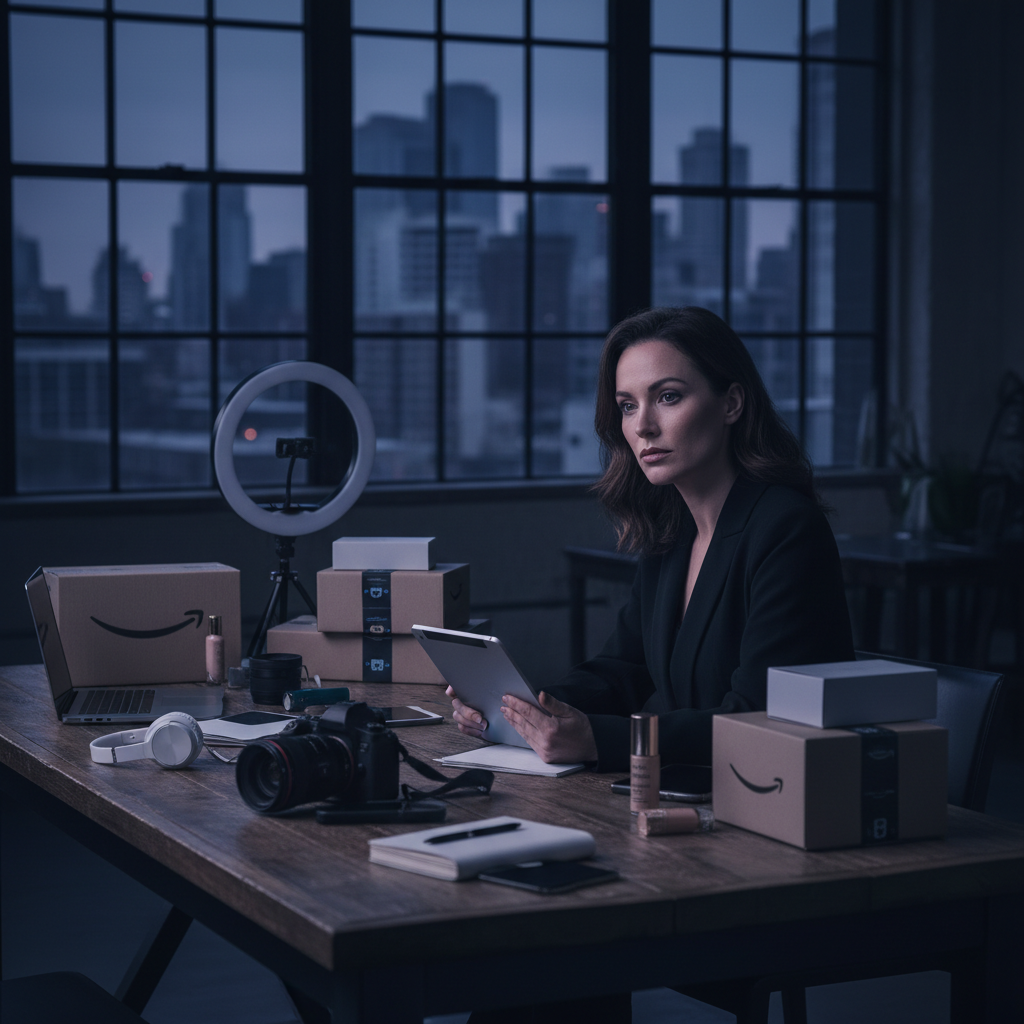
The Amazon Influencer Program is one of the most well-known creator monetization programs in the world — and one of the most misunderstood. For creators, it's a real income stream, but it comes with serious limitations. For brands, it's a visibility tool, not a relationship builder. And for anyone thinking beyond the Amazon ecosystem, there's a better model waiting.
This post covers everything you need to know: how the program works, who qualifies, how much creators earn, what brands need to understand, and — critically — how to build something more powerful outside of Amazon's walled garden.
If you're a brand exploring creator partnerships more broadly, our guide on brands that work with small influencers is worth reading alongside this. New to the space? Start with the influencer tiers explained and what a micro-influencer is. And if you want to understand the affiliate side of things, our breakdown of partner relationship management software covers how to structure those relationships long-term.
What Is the Amazon Influencer Program?
Want to turn your customers into content creators? Launch your UGC rewards engine — Reward customers for sharing, reviewing, and referring — automatically.
The Amazon Influencer Program is an extension of Amazon's affiliate program designed specifically for social media creators. Instead of just sharing text links, participants get a custom Amazon storefront — a dedicated page (like amazon.com/shop/yourname) where they can curate and recommend products.
When a follower visits your storefront and buys something, you earn a commission. When a follower clicks a product link you share on social media and buys within 24 hours, you earn a commission. And increasingly, creators earn from "shoppable" videos and live streams published directly on Amazon's platform.
The program launched in 2017 as Amazon was watching YouTube and Instagram drive purchase decisions at scale. Rather than let that traffic flow to Amazon without capturing the relationship, they created a structured way to incentivize creators to send their audiences directly to Amazon — and stay there.
The Storefront Mechanic
Your Amazon storefront is essentially a curated shopping page. You organize it into "idea lists" — collections of products organized by theme (e.g., "My Home Office Setup," "Skincare Routine," "Kitchen Essentials"). Followers can browse your lists and buy directly. You earn a commission on everything purchased, not just the specific items you promoted.
Amazon has also added a "Inspire" feed (similar to TikTok) where short shoppable videos from influencers are surfaced to Amazon shoppers already in a buying mindset. This is increasingly where creators with strong video skills are finding success on the platform.
Who Qualifies for the Amazon Influencer Program?
Amazon doesn't publish a specific follower minimum, and the requirements have evolved over time. What they assess:
- Platform presence: You need an active account on YouTube, Instagram, TikTok, or Facebook
- Engagement rate: Amazon reportedly cares more about engagement than raw follower count
- Content quality: Your content should be consistent, professional-ish, and relevant to products people actually buy
- Account authenticity: Real followers, real engagement — Amazon actively screens for bought followers
In practice, many creators with 1,000–5,000 genuine followers on YouTube or Instagram have been accepted. TikTok creators with strong engagement have also been approved at relatively low follower counts. There's no public cutoff — Amazon reviews each application manually.
How to Apply
- Go to influencer.amazon.com
- Click "Get Started" and connect your social media account with the largest following
- Amazon reviews your account — this can take a few days to a few weeks
- If approved, you'll gain access to your storefront and the Influencer Hub
- Build out your idea lists, link your social content, and start earning
You can apply with multiple platforms, but you'll be assessed on the strongest one. YouTube tends to have the highest approval rate because it's easier to verify genuine audience engagement through view counts and comment quality.
How Much Do Amazon Influencers Earn?
This is where expectations need to be calibrated. Amazon's commission rates are not generous.
Commission Rates by Category
Amazon pays between 1% and 10% depending on the product category:
- Luxury Beauty: 10%
- Beauty, Health & Personal Care: 4.5%
- Fashion & Clothing: 4%
- Home, Kitchen & Pets: 3%
- Electronics, Cameras, Video Games: 2–3%
- Grocery: 3%
- Amazon Echo, Fire Devices: 4%
- Most other categories: 1–4%
The 24-hour attribution window is a real constraint — if someone clicks your link but doesn't buy within 24 hours (or adds to cart and buys after 90 days), you may not get credit for everything they purchase.
Realistic Earnings Expectations
Most Amazon influencers earn modest supplemental income — a few hundred dollars per month at the micro level. Creators with established, high-traffic storefronts and strong YouTube presences can earn thousands per month. The top tier (creators with 500k+ highly engaged followers in high-commission niches) can earn $10,000+ monthly from Amazon alone.
The math is unforgiving for small creators. If you send 100 clicks to Amazon, maybe 3–5 convert (typical e-commerce conversion rate). At $30 average order value and a 4% commission rate, that's $3.60–$6.00 in commissions per 100 clicks. You need serious volume to build meaningful income.
Shoppable Videos on Amazon
The newer revenue stream is video content published directly to Amazon's Inspire feed. These videos earn commissions when Amazon shoppers (not just your followers) discover and buy through them. For creators willing to post natively on Amazon, this can be a meaningful incremental income source — essentially passive, since Amazon surfaces content to buyers already searching for products in your niche.