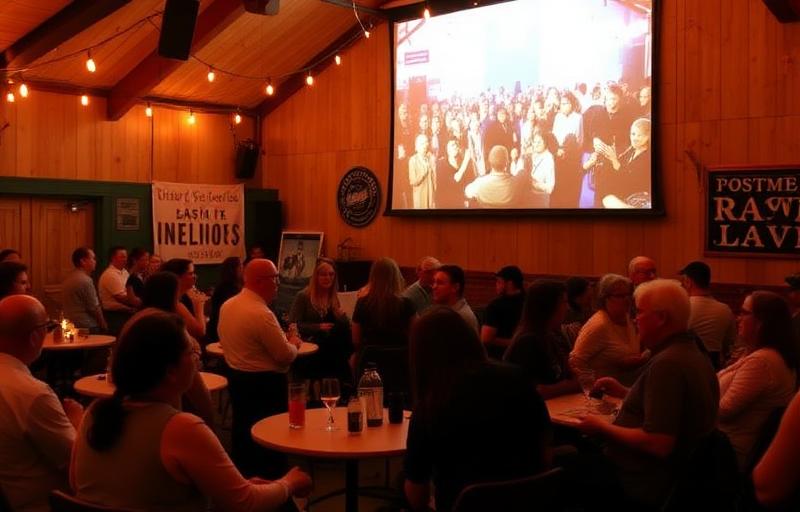
A festival community is more than an audience waiting for the next ticket announcement. It includes the shared interests, friendships, local knowledge, and creative contributions that form around an event. Organizers can help those connections continue while keeping the community welcoming and well moderated.
Give people a reason to gather
Start with activities related to the festival: artist conversations, local scene recommendations, volunteer meetups, listening sessions, or attendee-led recaps. The activity should offer value even when tickets are not on sale. Ask what attendees want and let their response shape the calendar.
Make participation easy and safe
Set clear expectations for respectful behavior, explain how reports are handled, and assign someone to moderate. Offer accessible ways to participate, including asynchronous contributions for people who cannot join live. Do not require public social posts or personal data for basic community access.
Recognize useful contributions
Thank people who share helpful information, welcome newcomers, or contribute creative work. Ask permission before featuring attendee content in official channels, and agree how it may be used. Recognition can be personal and specific; it does not always need a prize.
Connect community activity to the event
Use the community to gather feedback, share planning updates, and explain how suggestions are being considered. Keep operational announcements easy to find and separate from discussion. If you offer presale access or rewards, state the rules clearly and make sure the event can deliver them.
Measure whether the community is useful
Look at repeat participation, the quality of discussion, newcomer responses, moderation workload, and whether feedback informs event decisions. Member count alone says little about whether people feel welcome or connected.
See how festivals build loyalty beyond event days and how to follow up after a festival for related retention ideas.
Final thought
A lasting festival community needs care, useful activity, and clear boundaries. Give attendees ways to connect around the event they value, then listen and respond consistently between editions.